


Harnesses vs. Safety Helmets: Why 2025 is the year of the "Safety Helmet" transition from traditional hard hats.
In the ever-evolving landscape of industrial safety, 2025 has emerged as a landmark year. We are witnessing a fundamental shift in how we protect the most critical asset on any job site: the worker's head. For decades, the traditional hard hat was the undisputed king of the construction site, but the tides have turned. Today, the "Safety Helmet"—a more secure, versatile, and technologically advanced alternative—is rapidly becoming the new gold standard for 3m personal protective equipment.

This transition isn't just a matter of style; it’s a data-driven evolution sparked by a deeper understanding of traumatic brain injuries (TBIs) and the limitations of 20th-century gear. As OSHA and ANSI standards align with modern technology, many organizations are realizing that while hard hats protect from falling objects, safety helmets protect the whole worker.
The Hard Hat Legacy vs. The Safety Helmet Revolution
The traditional hard hat has remained largely unchanged since the 1960s. Designed primarily to deflect impacts from directly above, it features a rigid shell and a simple internal suspension. However, in the modern workplace—where slips, trips, and falls are the leading causes of head injuries—a gear that falls off the moment you lose your balance is no longer sufficient.

Why 2025 is the Tipping Point:
In late 2023 and throughout 2024, major safety agencies like OSHA began an internal transition, replacing their own staff's hard hats with modern safety helmets. By 2025, this "lead by example" approach has trickled down to the private sector. The safety helmet is essentially a "climbing-style" helmet adapted for industrial use. It stays on your head during a fall, provides lateral (side) impact protection, and integrates seamlessly with other 3m personal protective equipment components.
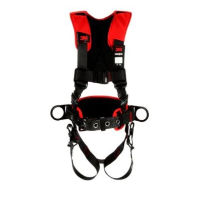
1. Advanced Impact Protection: Moving Beyond Type I
For years, most hard hats were classified as "Type I," meaning they were only tested for impacts to the very top of the head. In 2025, the industry is moving toward "Type II" protection.
Lateral Protection: Safety helmets are engineered to absorb energy from the front, back, and sides. This is crucial during a fall where a worker might strike their head against a beam or the ground.
Rotational Force Mitigation: Modern safety helmets often incorporate technologies like Mips® or advanced high-density foams that reduce the rotational energy transferred to the brain during an angled impact, significantly lowering the risk of concussions.
By investing in high-quality 3m personal protective equipment, companies are ensuring their teams are protected from more than just falling hammers; they are protected from the complex physics of a workplace accident.
2. The Power of the Chin Strap: Security That Saves Lives
The most visible difference in the 2025 safety helmet transition is the chin strap. In the past, hard hats frequently fell off during the very moment they were needed most—the fall itself.
Eliminating the "Flying Hard Hat" Syndrome
When a worker trips or falls from a height, centrifugal force often sends a traditional hard hat flying. This leaves the worker's head completely exposed when they finally hit a surface. Modern safety helmets feature a 4-point chin strap system.
Secure Fit: The helmet remains locked in place during a fall.
Working at Height: For those on scaffolding or ladders, a secure helmet is non-negotiable for compliance.
Consistent Positioning: It ensures that the protective shell is always aligned correctly with the head’s most vulnerable areas.

3. Integration with the 3M Personal Protective Equipment Ecosystem
One of the primary reasons for the 2025 surge in safety helmet adoption is "Integrated Safety." In a modern industrial environment, a worker doesn't just need head protection; they need eye, ear, and respiratory protection simultaneously.
Seamless Compatibility
Traditional hard hats often required clunky, "aftermarket" attachments that could compromise the hat's balance or structural integrity. Modern safety helmets, particularly those within the 3m personal protective equipment lineup, are designed with built-in accessory slots.
This allows for:
Integrated Hearing Protection: Earmuffs that click directly into the helmet frame.
Visors and Face Shields: High-definition visors that slide up and down without interfering with the shell.
Communication Systems: Built-in slots for Bluetooth headsets, allowing teams to stay connected in high-noise environments.
4. Comfort and Ergonomics: The Key to Compliance
No piece of safety gear works if the worker refuses to wear it. 2025 designs have solved the "discomfort" hurdle that plagued traditional hard hats.
Pressure Diffusion Technology
3M has pioneered "Pressure Diffusion Technology" in their SecureFit™ series. This system reduces the pressure on the forehead by up to 20% compared to conventional suspensions. When headgear is comfortable, workers are less likely to remove it during a shift, leading to higher compliance rates and fewer "minor" injuries that often go unreported.
Ventilation and Heat Management
Heat stress is a growing concern in global industry. Modern safety helmets feature strategically placed vents that allow hot air to escape while maintaining the integrity of the protective shell. Studies show that integrated ventilation can reduce the heat index inside a helmet by several degrees, keeping workers alert and productive.
5. Long-Term Value and Sustainability
While safety helmets have a higher upfront cost than hard hats ($80-$150 vs $20-$40), the 2025 fiscal outlook favors the helmet.
Durability: Safety helmets are often made from advanced composites or high-grade thermoplastics that have a longer service life.
Replacement Cycles: While most hard hats recommend replacement every 2-5 years, many safety helmets are rated for up to 5-10 years of use, provided they pass daily inspections.
Lower Insurance Premiums: Many insurance providers are beginning to recognize the reduced risk associated with Type II head protection and chin straps, potentially lowering worker's compensation costs.

How to Audit Your Site for the Safety Helmet Transition
Transitioning an entire workforce is a significant task. If you are looking to upgrade your 3m personal protective equipment inventory, follow these steps:
Job Hazard Analysis (JHA): Identify areas where workers are at risk of falls or lateral impacts. These are your priority zones for safety helmets.
Trial Programs: Give a small team the new helmets for two weeks. Gather feedback on weight, heat, and compatibility with their current tools.
Standardization: Once a model is chosen, standardize it across the site to ensure all accessories (visors, earmuffs) are interchangeable.
Training: Ensure every worker knows how to adjust the 4-point chin strap and understands the "Uvicator" (UV indicator) that signals when the plastic has become too brittle from sun exposure.
Conclusion: Setting the Standard for 2025
The shift from harnesses vs. safety helmets is no longer a debate—it is a reality. As we move deeper into 2025, the sight of a worker without a chin-strapped safety helmet on a high-risk site will become as rare as a worker without a seatbelt in a modern car.
By choosing advanced 3m personal protective equipment, you aren't just following a trend; you are adopting a proactive safety culture. You are acknowledging that the threats on a job site are 360-degree risks, and your protection should be, too. The "Safety Helmet" transition is the most significant upgrade to worker safety in decades—make sure your team isn't left in the past.



Comments