


Ceramic, Zirconia, or Diamond: Picking the Right Industrial Abrasive Grain
In the world of metalworking and high-stakes manufacturing, the effectiveness of any finishing job boils down to the tiny particles doing the actual cutting. The speed, efficiency, and ultimate quality of your final product depend entirely on the strength and composition of your abrasive grain. While basic options like aluminum oxide and silicon carbide get some jobs done, tackling hardened steels, aerospace superalloys, or dense ceramics requires stepping up to elite materials. Professionals must choose correctly from powerhouse grains like ceramic alumina, zirconia alumina, or industrial diamond.
The selection process isn't just guesswork; it’s a strategic choice rooted in how the material will handle heat, fracture, and maintain its edge over time. Using the wrong abrasive on a hard alloy can lead to wasted materials, excessive heat discoloration, and costly delays. This guide breaks down the core strengths of these three elite materials to help you select the ideal Industrial Abrasive solution for your most demanding tasks. Understanding the performance limits of each grain type is essential for maximizing both material removal rate and how long your consumables last.
The High-Performance Trio: Built for Toughness
Each of these advanced abrasive types is specifically engineered to overcome the rapid dulling and failure common in traditional grains, primarily by offering increased toughness and enhanced fracture resistance.
1. Ceramic Alumina (The Engineered Precision)
Ceramic alumina, especially the proprietary Precision Shaped Grain (PSG) technology offered by top brands like 3m abrasives, completely changed the way we think about material removal.
Structure: Unlike fused grains, ceramic alumina is precisely manufactured to form uniform, dense crystal structures. PSG is further shaped into distinct triangles or other defined geometries.
Cutting Action: The design allows the grain to slice through metal rather than plowing it, which minimizes friction and heat. When the cutting tip wears down, it fractures cleanly along its uniform structure, constantly exposing a fresh, sharp edge.
Best For: Heavy stock removal and high-pressure grinding on stainless steel and hardened alloys. The sustained sharpness of Industrial Abrasive 3m products makes them the most cost-effective choice when speed and a cool cut are paramount.
The exceptional efficiency of this engineered grain means that the productivity gains quickly justify the material’s premium cost for high-volume shops.
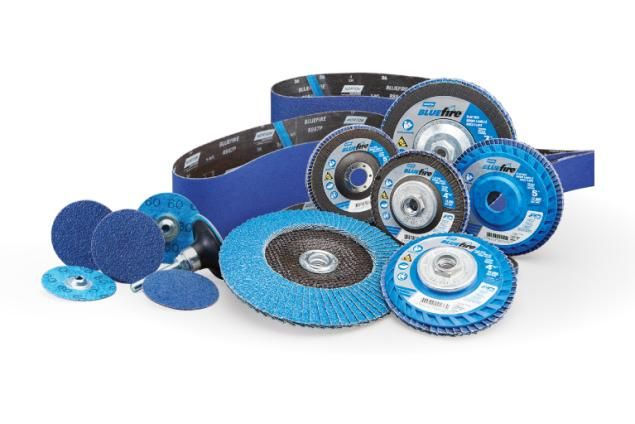
2. Zirconia Alumina (The Heavy-Duty Workhorse)
Zirconia alumina (often shortened to "Zirc") offers significantly greater toughness and durability compared to standard aluminum oxide, making it the reliable step-up choice.
Structure: This is a strong alloy formed by fusing aluminum oxide and zirconium oxide. Its crystalline structure is designed to hold up well under sustained heavy use.
Cutting Action: Zirconia fractures aggressively when heavy pressure is applied. This fracturing creates new cutting points, meaning the grain sharpens itself while you are grinding—it needs the pressure to work best.
Best For: Medium to heavy stock removal, especially for grinding carbon steel and large weld removal projects. It thrives under high-pressure applications where durability is key.
Zirconia often provides a perfect balance of toughness and price, positioning it as an excellent choice among general abrasive products. It's the go-to abrasive when you need strong material removal without the full commitment to ceramic technology.
3. Diamond (The Apex of Hardness)
Synthetic industrial diamond remains the hardest material known, making it the ultimate selection for specialized, demanding applications that no other abrasive can handle.
Structure: Diamond possesses an incredibly dense, rigid crystalline structure that resists wear and fracturing under pressure that would instantly shatter other grains.
Cutting Action: Diamond excels at cutting materials that are simply too hard for any other grain. It works by shaving material away consistently.
Best For: Grinding and polishing extremely hard, non-ferrous materials such as tungsten carbide tools, dense ceramics, natural stone, and glass.
Because the diamond itself wears so slowly, these specialized abrasive products often rely on unique metal bonds that wear down just fast enough to keep the diamond particles properly exposed. This is the definition of precision finishing.
Matching the Grain to the Metal: A Quick Selection Guide
Choosing your abrasive must be based on the characteristics of the material you are working with.
Material Type | Recommended Grain | Why it’s the Right Choice |
Stainless Steel / Nickel Alloys | Ceramic Alumina | The precision structure reduces friction and heat, minimizing the risk of heat discoloration (bluing) and warping the sensitive alloy. |
Carbon Steel / General Steels | Zirconia Alumina | Excellent for heavy weld grinding and stock removal. It handles the required pressure well and fractures effectively on these metal types. |
Tungsten Carbide / Ceramics | Diamond | Essential. Carbide and dense ceramics are simply too hard for other grains. Diamond maintains its cutting edge where all others fail. |
Composites / Fiberglass | Silicon Carbide | Although not in the top three for hardness, SiC’s inherent sharpness is great for cutting these materials, though it will break down faster. |
The superior performance of high-grade 3m abrasives can lead to significant time savings in the workshop. For example, using specialized ceramic aluminum oxide has been shown to reduce labor time considerably compared to standard Zirconia on tough applications.
Conclusion: The ROI of Precision
The decision to choose Ceramic, Zirconia, or Diamond is a commitment to the optimal manufacturing process. By understanding the science behind the grain—whether it's the engineered slicing of ceramic, the aggressive toughness of zirconia, or the extreme durability of diamond—professionals can ensure their tools work with their materials, not against them.
Investing in the correct high-performance Industrial Abrasive is the unsung hero of efficiency. It minimizes heat, maximizes consumable life, and ensures the part is finished perfectly the first time. For any shop focused on quality and speed, the precise performance offered by the right grain type is non-negotiable.


Comments